What is bone grafting?
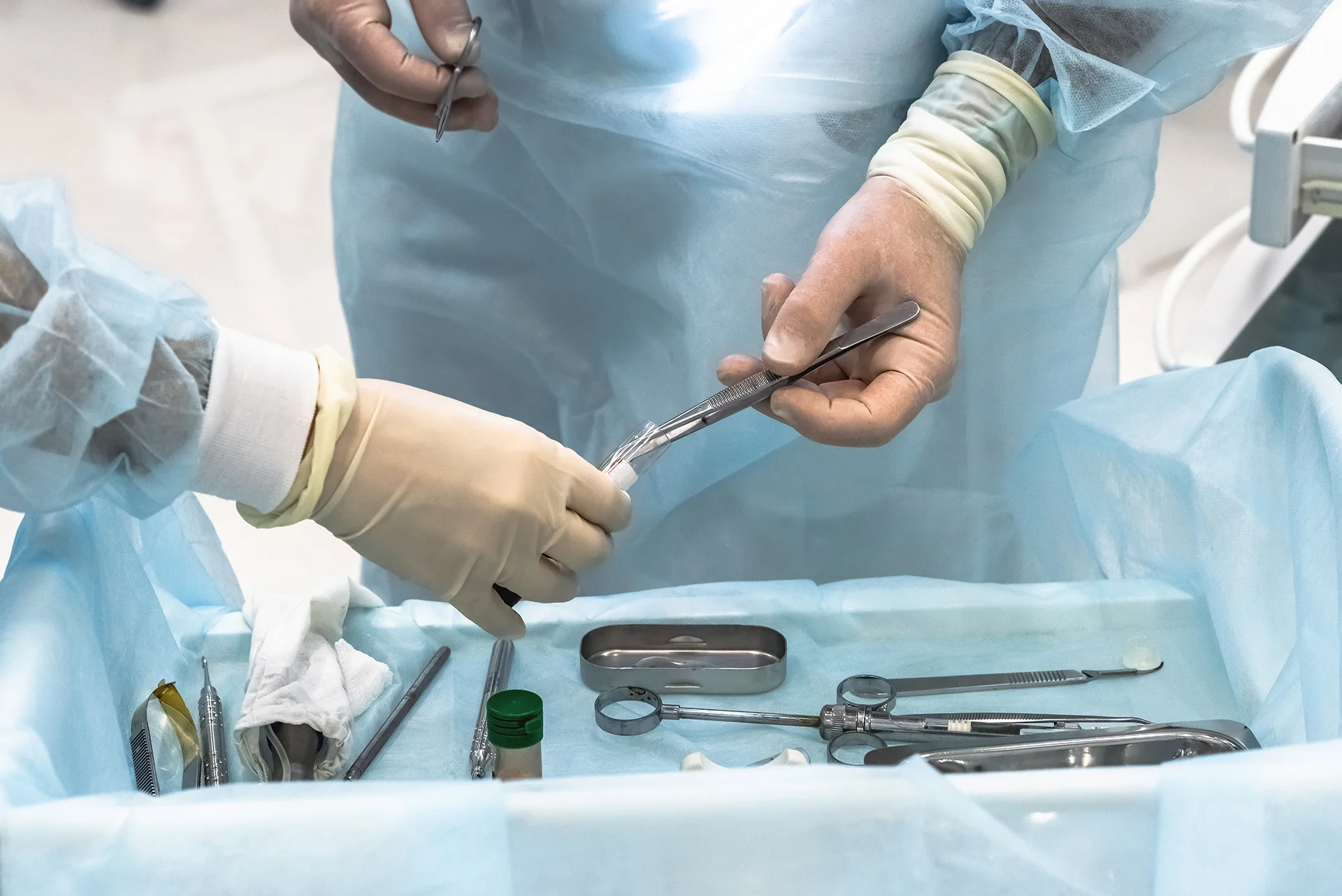
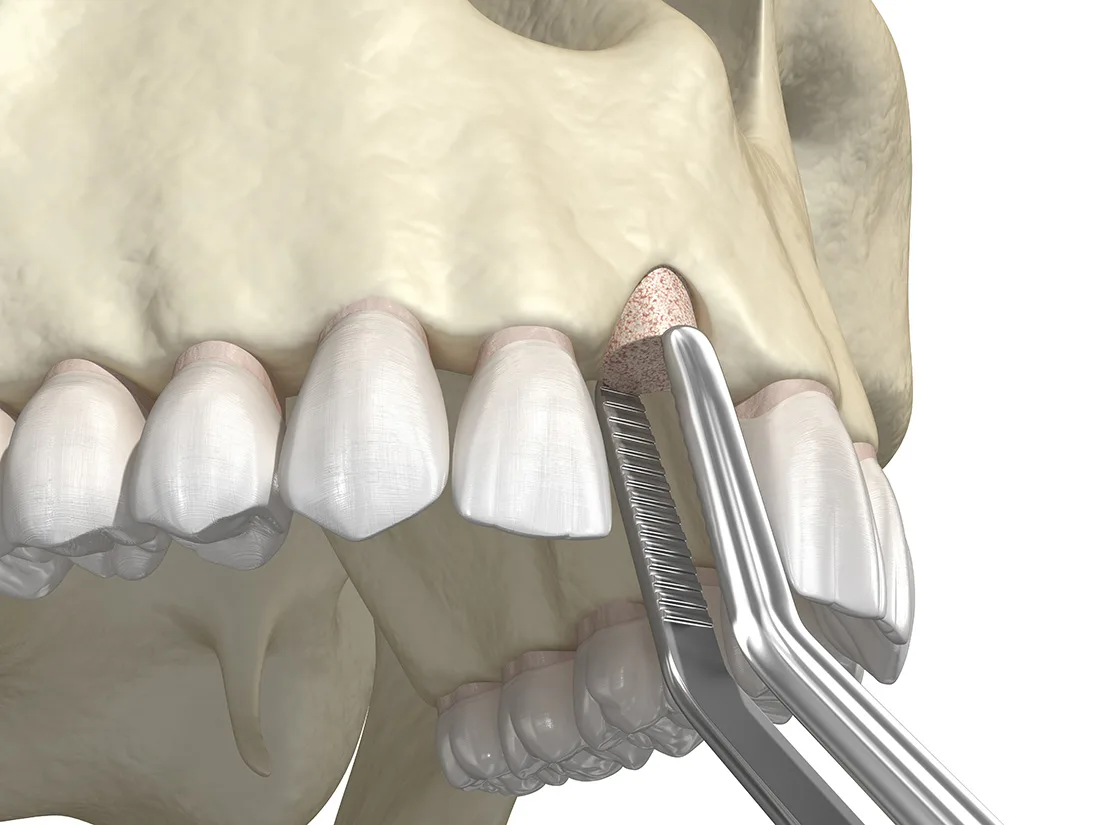
Bone grafting is an oral surgery that is performed to increase bone density in patients who have experienced resorption after tooth loss or need additional bone in their jaw to support a dental implant. Dental implants are the best way to restore missing teeth as they look and feel natural and can last a lifetime with proper care. Bone grafting is an initial step that can expand your options for tooth replacement.
Cone Beam CT Imaging to Evaluate Bone
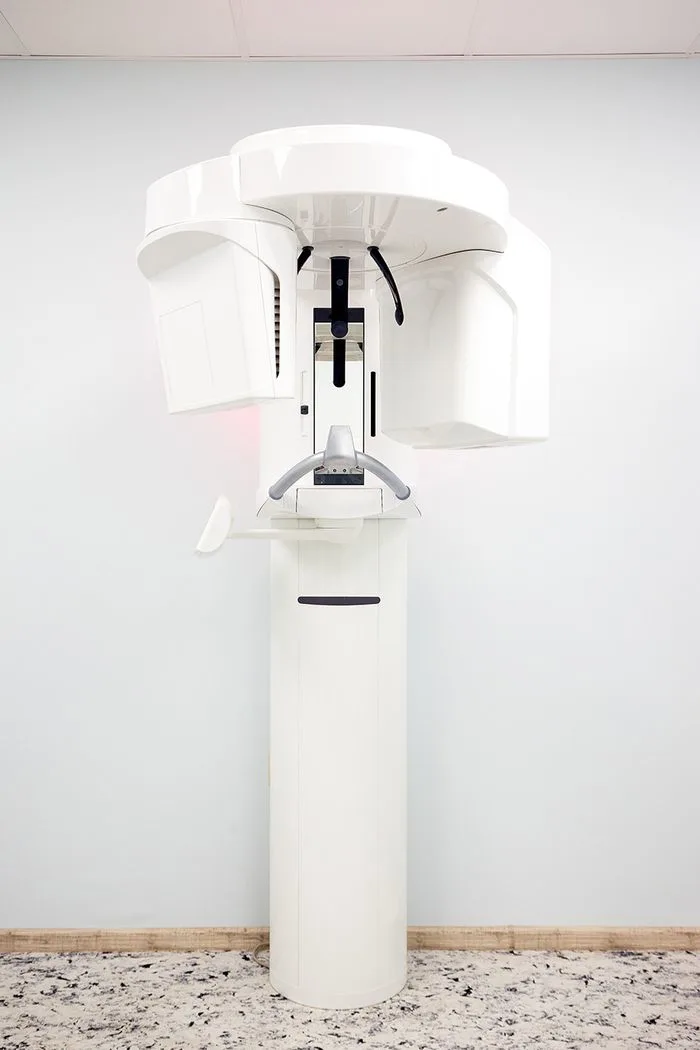
A CBCT scan creates a precise, three-dimensional model of the jawbone. This allows the oral surgeon to accurately assess the site where the implant and/or bone graft will be placed.
Bone Volume and Height: A CBCT scan provides exact measurements of the existing bone's height, width, and density. This allows the surgeon to determine if there is enough bone to support an implant and, if not, to precisely measure the amount of bone graft material needed.
Identification of Key Anatomy: The 3D view is crucial for identifying the location of important structures such as the inferior alveolar nerve in the lower jaw and the maxillary sinus in the upper jaw. By knowing the exact position of these anatomical landmarks, the surgeon can plan the bone graft and subsequent implant placement to avoid complications.
Assessment of Defect Shape: The 3D image allows the surgeon to visualize the shape and nature of the bone defect. This helps in choosing the right type of bone graft material and the surgical technique that will be most effective for that specific case.
Enhanced Surgical Planning: The CBCT data can be used to create a surgical guide, ensuring that the bone graft and implant are placed in the most ideal position. This level of pre-surgical planning is essential for a successful outcome.
The Benefits of Bone Grafting
Prepares You For Dental Implants
Dental implants are superior to all other methods of tooth replacement, including partial dentures and dental bridges. With a bone graft, you can strengthen your jaw bone and prepare for a permanent dental implant.
Maintains Aesthetics
By placing bone graft material in an extraction site, a surgeon can prevent or slow down this bone loss. The graft acts as a scaffold, providing a physical structure that maintains the ridge's volume and shape. This helps to preserve the natural aesthetic contour of the gums, jaw, chin, and lips.
Prevents Further Bone Loss
Jaw bone loss will only get worse over time without treatment. With a bone graft, you can reverse it, and dental implants help stimulate your jaw and keep it healthy.

Multiple payment options
In-network with most PPO insurance plans
Financing options available with Cherry Financing
We accept payments via cash, credit card, debit card, apple pay, google wallet
Keeping Care Accessible
Everyone deserves to love their smile. That’s why we make it easy to pay for your treatment in a way that fits your budget and lifestyle.
The Bone Graft Process

Initial Consultation
First, your oral surgeon will need to take a look at your mouth to make sure bone grafts are necessary for your implant. They will perform an oral exam, take x-rays of your jaw, and review your dental history to determine if bone grafting is appropriate for your situation.

Bone Grafting Procedure
If you’re approved for treatment, you’ll come back for a follow-up and get your surgery. To begin the procedure, your oral surgeon will clean and numb the treatment area. Then, they will create a small opening in the gums and jaw, and pack special bone granules into the area. After this, they will clean up the treatment area and suture it shut. You’ll be sent home to rest and recover.

Aftercare & Healing
You’ll follow your oral surgeon’s recovery instructions, and your mouth will feel normal after 1-2 weeks. However, it will take up to 2-3 months for new, healthy bone material to heal around your graft. You’ll come back to our office for a few follow-ups during this time, and your oral surgeon will make sure your recovery is on track.
What makes us different
Board-Certified Oral Surgeon
A certification from the ABOMS (American Board of Oral and Maxillofacial Surgeons) is a sign of a doctor’s dedication to excellence. A board-certification signifies that an oral surgeon is up-to-date with the current standards of training and care set forth by the ABOMS.

FAQs
Frequently Asked Questions
Check out these frequently asked questions, or call us to speak with our team.
An oral and maxillofacial surgeon (OMS) is a dental specialist who has completed extensive training in both dentistry and surgery. Their role extends beyond general dentistry to focus on complex conditions affecting the mouth, jaws, face, and neck.
To become an OMS, a dentist must complete an additional four to six years of hospital-based surgical residency after dental school. This rigorous training involves rotations in general surgery, internal medicine, anesthesia, and other medical specialties. This prepares them to perform a wide range of surgical procedures.
The length of time required to perform a bone graft can vary depending on several factors. Where the graft is taking place, the size of the graft, and the type of material used can all impact the duration of your procedure. Your oral surgeon will provide you with a thorough explanation of the treatment, and give you information about what to expect on the day of the procedure and how to properly prepare for it.
Bone grafts may be covered in full or in part by your insurance provider depending on your particular plan and scope of coverage. Talk to your dental insurance provider about your benefits to find out if your recommended oral surgery will be covered. We recommend filing your claim with both your dental and medical insurance providers, as the surgery may qualify as a medically necessary procedure.
Bone grafting is a crucial procedure in oral surgery used to rebuild and restore jawbone density. The material used for the graft is chosen based on a patient's specific needs and the site's requirements. These materials are categorized by their origin.
- Autograft: This is considered the gold standard because it uses bone from the patient's own body. It has a low risk of rejection and contains living cells that promote new bone growth.
- Allograft: This material comes from a human donor. It is carefully processed to be safe and acts as a scaffold for your body's natural bone to grow into.
- Xenograft: This is a bone material sourced from an animal, most commonly a cow. It is an effective and safe alternative that provides a scaffold to support new bone formation.
- Alloplast: This is a synthetic bone graft material made in a lab. It is a safe and readily available option that encourages your body's natural healing process.