Wisdom Teeth Removal In Pasadena, CA
If your doctor tells you that you need your wisdom teeth removed, you may be scared but not surprised. We’ve all seen our friends, family, and loved ones go through it. Though common, removing your wisdom teeth can be a complicated procedure. That’s why it’s important to go to an expert who specializes in complex issues of the teeth and mouth. Oral and maxillofacial surgeons are well-equipped are well-equipped in treating problematic wisdom teeth and preserving your oral health.
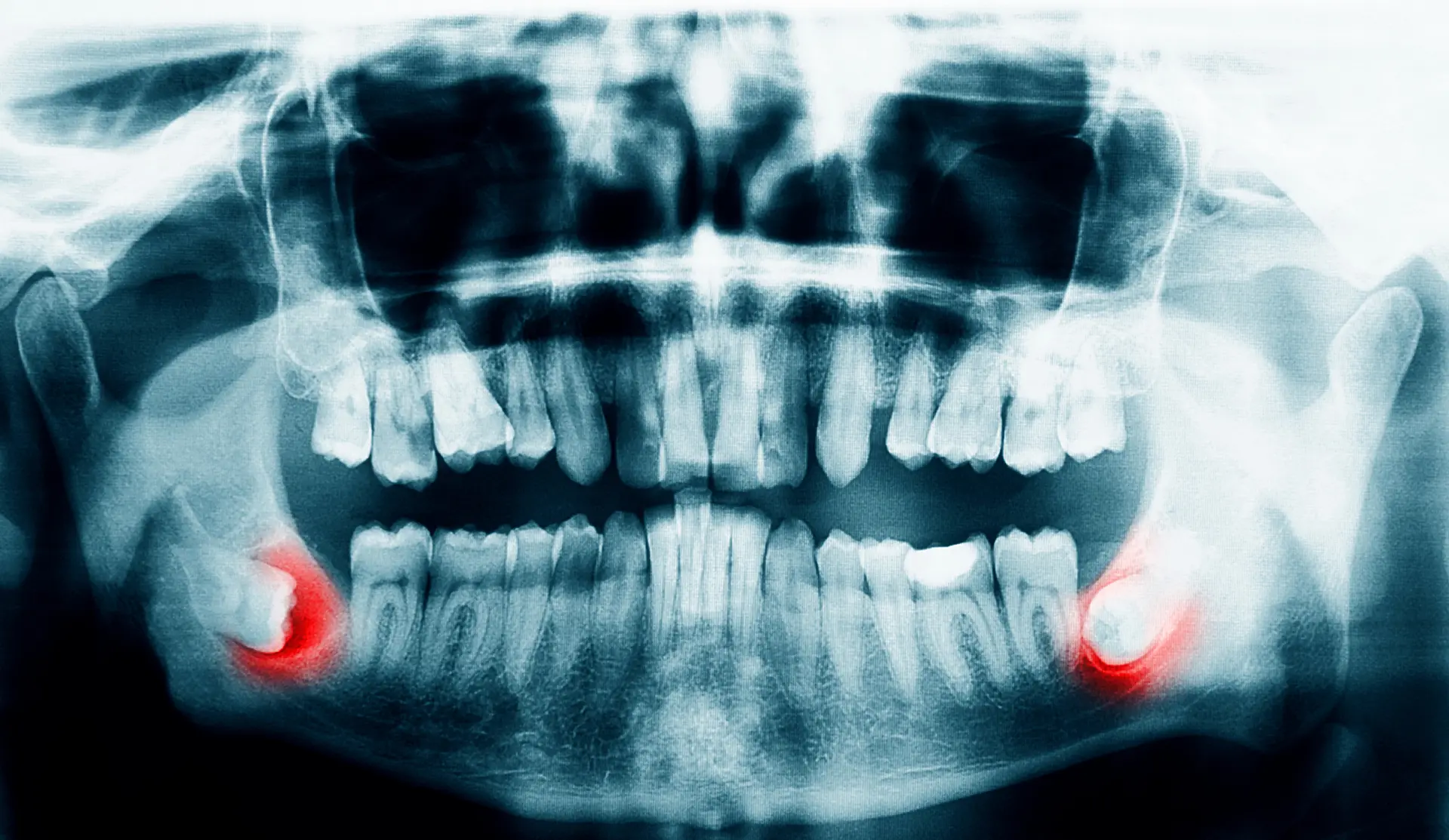
Why might I need wisdom teeth removed?
Wisdom teeth often have to be extracted to ensure the rest of your teeth stay healthy. Most wisdom teeth erupt misaligned, which can cause tooth crowding and disruption in your teeth and gums. This is not only painful but can make oral hygiene more difficult. Another common reason for wisdom teeth extraction is a partial eruption. This encourages bacteria to accumulate in the pockets of your gums, putting you at risk for gum disease, infection, and tooth decay. That being said, sometimes wisdom teeth don’t always need to be removed. If your wisdom teeth erupt properly aligned and don’t impact your other teeth, your doctor may not recommend extraction.

The Benefits of Wisdom Teeth Removal
Pain Relief and Reduced Infection Risk
Impacted wisdom teeth can cause significant pain and discomfort in the back of the jaw. Removing them provides immediate and long-term relief.When a wisdom tooth is only partially erupted, a flap of gum tissue can trap bacteria and food debris, leading to a painful infection called pericoronitis. Removing the tooth eliminates this risk.
Prevention of Damage to Adjacent Teeth
An impacted wisdom tooth can push against the second molar, leading to decay, bone loss, and potential root damage. Removing the wisdom tooth protects the health of your other teeth.
Correction of Overcrowding
In some cases, wisdom teeth can cause disruption to the eruption path of the adjacent 2nd molar, leading to malpositioning, crowding, and loss of function. Extraction can be an important part of orthodontic treatment.
Cyst and Tumor Prevention
Although rare, impacted wisdom teeth can sometimes develop cysts or tumors that can cause significant damage to the jawbone and surrounding structures. Removing the tooth prevents this from occurring.

Free Extractions
Free Implant Prep
Generally, extractions are a necessary part of getting dental implants. Instead of adding this necessary process to your bill, we’ll cover the cost of your implant prep procedure. Let’s get your smile back to full restoration.
The Treatment Planning Process for Wisdom Teeth Extractions
Consultation and Initial Exam
The process begins with a consultation where the oral surgeon discusses your concerns, reviews your medical and dental history, and performs a clinical examination of your mouth. They'll assess the position of your wisdom teeth and look for any immediate issues.

Diagnostic Imaging
To get a complete picture, diagnostic imaging is necessary. We typically use a Cone Beam CT (CBCT) scan, which provides a detailed 3D view of your wisdom teeth, jawbone, and surrounding anatomical structures. This is a critical step because it allows us to precisely identify the location of important nerves, like the inferior alveolar nerve, and understand the tooth's relationship to adjacent molars. This information is vital for planning a safe and predictable surgical procedure.

Risk and Benefit Analysis
The oral surgeon evaluates the diagnostic imaging to determine the complexity of the extraction. They will identify potential risks, such as proximity to nerves or sinuses, and discuss the indications for removal, such as preventing pain, infection, or damage to other teeth. They will also discuss the benefits of extracting the wisdom teeth versus leaving them in place.
Anesthesia Planning
Based on the complexity of the surgery, the number of teeth to be removed, and your personal comfort level, the oral surgeon will recommend the appropriate type of anesthesia. This could range from local anesthesia and nitrous oxide to IV sedation or general anesthesia.

Pre-Operative Instructions
Once the treatment plan is finalized, you'll receive detailed pre-operative instructions. These instructions cover everything you need to do before your surgery, such as fasting guidelines for sedation, arranging a ride home, and taking any prescribed medications.
What makes us different

Board Certified Oral and Maxillofacial Surgeon and Experienced Team
Impacted wisdom teeth can be tricky to remove but this is no problem for our team. We will efficiently remove your impacted wisdom teeth with minimal discomfort. We know you deserve expert care for a complex procedure.
Platelet Rich Fibrin (PRF)
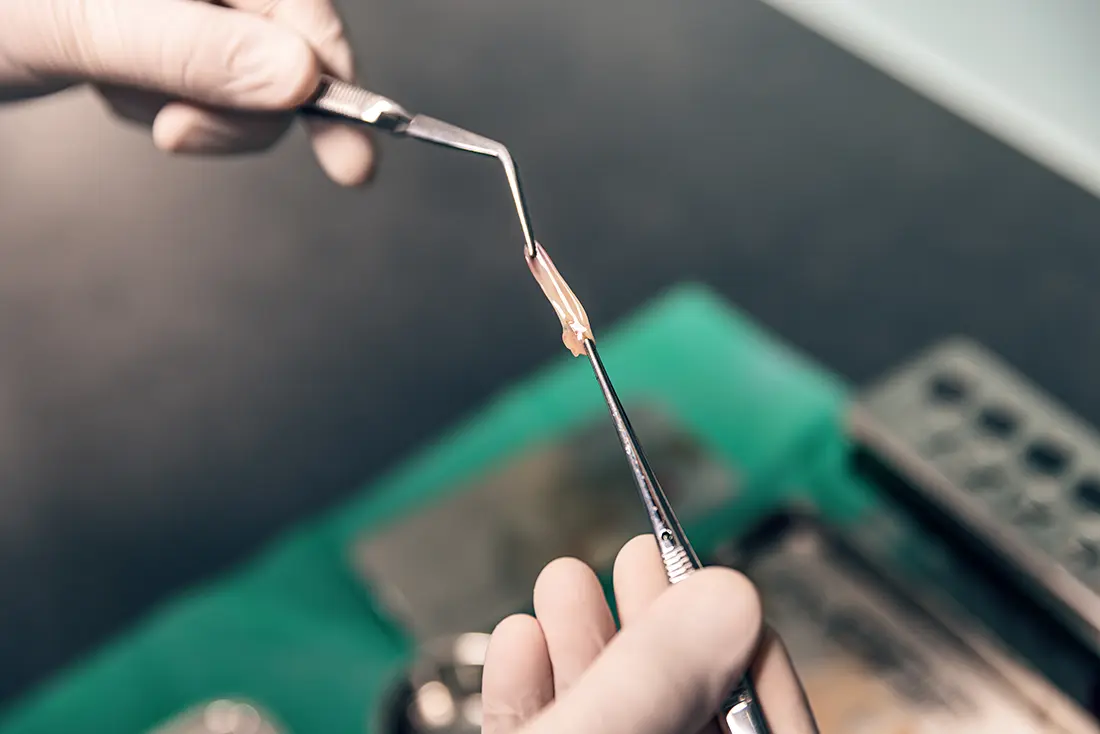
We offer biologically-compatible materials to improve your treatment and recovery process. Platelet rich fibrin (PRF) accelerates the healing process, minimizes pain, and decreases swelling during treatment. Not only that, but it strengthens the function and structure of the bone.
Anesthesia Options
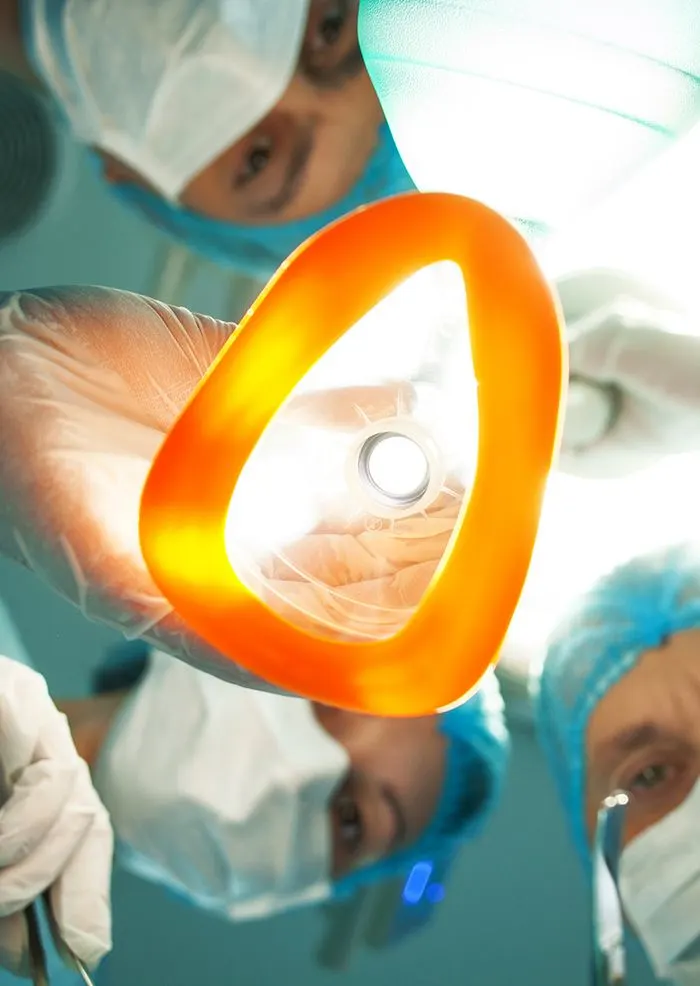
We know wisdom teeth removal can be scary, but it doesn’t need to be. We administer general anesthesia in a controlled environment to make the procedure as painless as possible.
FAQs
Frequently Asked Questions
Check out these frequently asked questions, or call us to speak with our team.
There are many reasons why wisdom teeth removal may be necessary. This includes wisdom teeth growing in at the wrong angle. They can grow sideways, partially erupt, or even become trapped underneath the gum and bone. Impacted wisdom teeth can take many positions in the bone as they try to find a pathway to successfully erupt. All of these reasons make wisdom teeth removal necessary to preserve your oral health.
Sometimes wisdom teeth aren’t painful which can indicate different things. There is a chance they may be growing in properly without any issues, but pain-free doesn’t necessarily mean there’s nothing wrong. Even if they aren’t causing pain currently, it doesn’t mean issues won’t arise in the future. Wisdom teeth are often impacted or trapped beneath the surface of the gums which will become a larger issue later down the line. That’s why it’s important to consult with your doctor regardless of pain or not so we can provide you with more information.
Thanks to our sedation options, the procedure itself is not painful. You won’t feel any discomfort before or immediately after. After a few hours, it’s common to feel tenderness, swelling, bruising, and possibly some bleeding. These symptoms generally peak 2-3 days after the procedure and will slowly diminish as you continue to heal. Make sure to only eat soft foods for about a week to prevent further irritation.
It takes about 1-2 weeks for your mouth to fully recover after the extraction. During this process, it’s vital to carefully follow the recovery instructions provided by your doctor. This is to ensure that you heal properly and prevent complications. If you are still dealing with severe pain and discomfort after this period, contact your doctor for a follow-up. Pain after this period is not normal and should be addressed as soon as possible.
Caring for the extraction site after your operation is essential in avoiding dry socket. Dry socket is a complication that arises if a blood clot fails to form, exposing your nerves and causing pain. That’s why we recommend biting on gauze as prescribed by your doctor. If bleeding or oozing persists, replace your gauze and bite firmly on the extraction site for another 30-45 minutes. Also, for the first few days following your extraction, avoid drinking anything through a straw, as the suction can dislodge the blood clot and cause dry socket. Avoid smoking and the use of tobacco products as well – not only can the suction cause dry socket, but the chemicals present in tobacco products can significantly impede your body’s ability to heal. Contact our office if bleeding persists multiple days following the extraction.
Extractions to remove impacted wisdom teeth, or damaged or decayed teeth, are often covered by insurance because it's a medical necessity. However, every insurance plan has various benefits and policies, so we recommend that you contact your insurance provider for specific details.